
Moving to Italy is exciting, until you need to deal with your first official document, utility contract, bank appointment, or repair problem in Italian.
You may already know how to introduce yourself, order at a restaurant, or ask for directions. But everyday life in Italy requires a different kind of vocabulary. Residence permits, government paperwork, banking, healthcare, housing, phone contracts, and customer service all come with words and expressions that may never appear in a beginner textbook.
If you’ve ever looked at an Italian form and wondered what it says or felt nervous speaking with an official, you’re not alone. The good news is that many everyday situations follow predictable patterns, and you don’t need perfect Italian to handle them.
This guide brings together 160+ essential Italian phrases organized around the situations you’re likely to encounter while living in Italy. Use it as a reference before an appointment, phone call, errand, or difficult conversation.
Table of Contents
What Italian Do You Need to Live in Italy?
To live more independently in Italy, you’ll need practical Italian for much more than shopping and socializing.
| Situation | You’ll Use Italian For |
|---|---|
| Immigration & Residence | Residence permits, applications, documents |
| Comune & Public Services | Residence registration, certificates, personal details |
| Banking & Contracts | Accounts, cards, utilities, mobile plans |
| Digital & Tax Services | Codice fiscale, SPID/CIE, online forms |
| Healthcare | SSN, appointments, doctors, pharmacies |
| Housing | Renting, repairs, landlords, neighbors |
| Emergencies | Medical help, police, lost or stolen belongings |
| Daily Services | Post offices, deliveries, returns, customer service |
Depending on your nationality and reason for living in Italy, the exact procedures and offices you deal with will vary. For example, non-EU residents may need to deal with a permesso di soggiorno, while other administrative services may involve the Comune, Questura, Agenzia delle Entrate, or local health authorities.
The goal isn’t to memorize every phrase at once. Start with the situations you’re likely to face soon and build from there.
Why Practical Italian Can Feel Different from Textbook Italian
Everyday conversational Italian and the language you encounter in paperwork or official situations can feel surprisingly different.
A beginner course may teach you how to talk about your family or order coffee. Then an official asks for your documenti richiesti (“required documents”), a bank asks for your codice fiscale (“tax identification code”), or a landlord starts discussing spese condominiali (“condominium/shared building expenses”).
Formal situations also tend to use the polite Lei form.
For example:
Puoi aiutarmi?
“Can you help me?” – informal
Può aiutarmi?
“Can you help me?” – polite/formal
The good news is that many official and service conversations rely on recurring patterns. Once you learn phrases such as Vorrei… (“I would like…”), Ho bisogno di… (“I need…”), and Dove posso…? (“Where can I…?”), you can reuse them in dozens of situations.
Essential Italian Survival Phrases
These phrases form a useful foundation for almost any real-life interaction.
| Italian | English |
|---|---|
| Buongiorno. | “Good morning.” |
| Buonasera. | “Good evening.” |
| Salve. | “Hello.” |
| Grazie mille. | “Thank you very much.” |
| Prego. | “You’re welcome.” |
| Mi scusi. | “Excuse me.” |
| Non capisco. | “I don’t understand.” |
| Può ripetere, per favore? | “Could you repeat that, please?” |
| Può parlare più lentamente? | “Could you speak more slowly?” |
| Parla inglese? | “Do you speak English?” |
| C’è qualcuno che parla inglese? | “Is there someone who speaks English?” |
| Che cosa significa? | “What does this mean?” |
| Come si dice in italiano? | “How do you say this in Italian?” |
| Dove devo andare? | “Where should I go?” |
| Che cosa devo fare? | “What should I do?” |
| Ho bisogno di aiuto. | “I need help.” |
| Può aiutarmi? | “Can you help me?” |
| Ho un appuntamento. | “I have an appointment.” |
| Devo prendere un appuntamento? | “Do I need to make an appointment?” |
| Va bene così? | “Is this correct?” |
If you don’t understand a question, don’t panic. Asking someone to repeat themselves, speak more slowly, or explain something is a useful communication skill in itself.
Immigration & Residence Permit Italian
One term many non-EU residents encounter is permesso di soggiorno, or “residence permit.” Depending on the type of stay, applications may involve the Questura or designated post offices, and procedures vary according to the person’s situation.
Essential Vocabulary
| Italian | English |
|---|---|
| permesso di soggiorno | “residence permit” |
| Questura | “police headquarters / Questura” |
| Ufficio Immigrazione | “Immigration Office” |
| domanda | “application” |
| rinnovo | “renewal” |
| documenti | “documents” |
| modulo | “form” |
| ricevuta | “receipt” |
| appuntamento | “appointment” |
| firma | “signature” |
Essential Immigration Phrases
| Italian | English |
|---|---|
| Vorrei informazioni sul mio permesso di soggiorno. | “I’d like information about my residence permit.” |
| Vorrei rinnovare il permesso di soggiorno. | “I’d like to renew my residence permit.” |
| Vorrei presentare la domanda. | “I’d like to submit the application.” |
| Dove devo presentare la domanda? | “Where do I need to submit the application?” |
| Quali documenti devo portare? | “Which documents do I need to bring?” |
| Ho tutti i documenti necessari? | “Do I have all the necessary documents?” |
| Manca qualche documento? | “Is any document missing?” |
| Serve l’originale? | “Is the original required?” |
| Serve una fotocopia? | “Is a photocopy required?” |
| Serve una traduzione ufficiale? | “Is an official translation required?” |
| Serve una marca da bollo? | “Do I need a revenue stamp?” |
| Devo firmare qui? | “Should I sign here?” |
| Dove devo scrivere il mio indirizzo? | “Where should I write my address?” |
| Devo compilare questo modulo? | “Do I need to fill out this form?” |
| Posso compilare il modulo qui? | “Can I fill out the form here?” |
| Devo prendere un appuntamento? | “Do I need to make an appointment?” |
| Dove si trova l’Ufficio Immigrazione? | “Where is the Immigration Office?” |
| Quando posso ritirare il permesso? | “When can I collect the permit?” |
| La mia pratica è pronta? | “Is my application ready?” |
| Posso controllare lo stato della pratica online? | “Can I check the status of my application online?” |
| Ho ricevuto questo messaggio dalla Questura. | “I received this message from the Questura.” |
| Ho cambiato indirizzo. | “I’ve changed my address.” |
| Ho cambiato numero di telefono. | “I’ve changed my phone number.” |
| Quanto costa la procedura? | “How much does the procedure cost?” |
| Può dirmi qual è il prossimo passo? | “Can you tell me what the next step is?” |
Example Conversation at an Immigration Office
You: Buongiorno. Vorrei informazioni sul mio permesso di soggiorno.
“Good morning. I’d like information about my residence permit.”
Staff: Certo. Deve fare un rinnovo?
“Of course. Do you need to renew it?”
You: Sì. Quali documenti devo portare?
“Yes. Which documents do I need to bring?”
Staff: Dipende dal tipo di permesso.
“It depends on the type of permit.”
You: Va bene. Può dirmi qual è il prossimo passo?
“Okay. Can you tell me what the next step is?”
Learning how to explain your purpose and ask what you need is more useful than trying to memorize an entire bureaucratic conversation.
Moving to Italy & Getting Settled
Your first weeks in Italy may involve several practical tasks at once: dealing with the Comune, updating personal information, arranging utilities, getting internet, and learning new administrative terms.
One word you’ll see frequently is codice fiscale, the Italian tax identification code. You’ll also encounter public offices such as the Comune and ufficio anagrafe.
Essential Moving and Setup Phrases
| Italian | English |
|---|---|
| Mi sono appena trasferito/a in Italia. | “I just moved to Italy.” |
| Vorrei registrare la mia residenza. | “I’d like to register my residence.” |
| Dove si trova l’ufficio anagrafe? | “Where is the registry office?” |
| Devo andare al Comune? | “Do I need to go to the Comune?” |
| Quali documenti servono per la residenza? | “Which documents are needed for residence registration?” |
| Ho bisogno di un certificato di residenza. | “I need a residence certificate.” |
| Vorrei cambiare il mio indirizzo. | “I’d like to change my address.” |
| Come posso aggiornare i miei dati? | “How can I update my details?” |
| Vorrei richiedere il codice fiscale. | “I’d like to request a tax identification code.” |
| Dove posso richiedere il codice fiscale? | “Where can I request the tax identification code?” |
| Il mio codice fiscale è corretto? | “Is my tax identification code correct?” |
| Devo portare il passaporto? | “Do I need to bring my passport?” |
| Devo portare il contratto di affitto? | “Do I need to bring the rental contract?” |
| Vorrei una copia del contratto. | “I’d like a copy of the contract.” |
| Vorrei attivare la fornitura elettrica. | “I’d like to activate the electricity service.” |
| Vorrei attivare la fornitura del gas. | “I’d like to activate the gas service.” |
| Vorrei attivare la fornitura dell’acqua. | “I’d like to activate the water service.” |
| Vorrei installare internet a casa. | “I’d like to get internet installed at home.” |
| Vorrei un numero di telefono italiano. | “I’d like an Italian phone number.” |
| Quali documenti servono per il contratto? | “Which documents are needed for the contract?” |
| Quanto tempo ci vuole per l’attivazione? | “How long does activation take?” |
| Quando può venire il tecnico? | “When can the technician come?” |
| C’è un costo di attivazione? | “Is there an activation fee?” |
| Può scrivermi le istruzioni? | “Can you write down the instructions for me?” |
| Dove posso trovare maggiori informazioni? | “Where can I find more information?” |
Example Conversation at the Comune
You: Buongiorno. Vorrei registrare la mia residenza.
“Good morning. I’d like to register my residence.”
Staff: Ha un documento d’identità?
“Do you have an identity document?”
You: Sì, ecco il mio passaporto.
“Yes, here’s my passport.”
Staff: Ha compilato il modulo?
“Have you filled out the form?”
You: Non ancora. Può aiutarmi?
“Not yet. Can you help me?”
Banking, Utilities & Contracts
Banking and service contracts introduce another group of practical words, including conto corrente (“bank account”), bonifico (“bank transfer”), bolletta (“bill”), contratto (“contract”), and addebito diretto (“direct debit”).

At the Bank and Managing Contracts
| Italian | English |
|---|---|
| Vorrei aprire un conto corrente. | “I’d like to open a bank account.” |
| Quali documenti servono per aprire il conto? | “Which documents are needed to open the account?” |
| Devo prendere un appuntamento? | “Do I need to make an appointment?” |
| Vorrei una carta di debito. | “I’d like a debit card.” |
| Quando arriverà la carta? | “When will the card arrive?” |
| Come posso attivare la carta? | “How can I activate the card?” |
| Ho dimenticato il PIN. | “I forgot my PIN.” |
| La mia carta non funziona. | “My card isn’t working.” |
| Ho perso la carta. | “I lost my card.” |
| Vorrei bloccare la carta. | “I’d like to block the card.” |
| Vorrei fare un bonifico. | “I’d like to make a bank transfer.” |
| Qual è l’IBAN? | “What is the IBAN?” |
| Qual è la commissione? | “What is the fee?” |
| Vorrei prelevare dei contanti. | “I’d like to withdraw cash.” |
| Vorrei versare dei contanti. | “I’d like to deposit cash.” |
| Posso pagare le bollette online? | “Can I pay bills online?” |
| Vorrei cambiare il mio indirizzo. | “I’d like to change my address.” |
| Vorrei chiudere il conto. | “I’d like to close the account.” |
| Vorrei cambiare piano tariffario. | “I’d like to change my plan.” |
| Quando scade il contratto? | “When does the contract expire?” |
| Vorrei disdire il contratto. | “I’d like to cancel the contract.” |
| C’è una penale? | “Is there a cancellation fee?” |
| Questa bolletta è troppo alta. | “This bill is too high.” |
| Può spiegarmi questa voce? | “Can you explain this item/charge?” |
| Ho pagato due volte. | “I paid twice.” |
| Non ho ricevuto la bolletta. | “I haven’t received the bill.” |
Example Conversation at the Bank
You: Buongiorno. Vorrei aprire un conto corrente.
“Good morning. I’d like to open a bank account.”
Employee: Certo. Ha un appuntamento?
“Of course. Do you have an appointment?”
You: No. Devo prendere un appuntamento?
“No. Do I need to make an appointment?”
Employee: Le spiego la procedura.
“I’ll explain the procedure.”
You: Grazie. Quali documenti servono?
“Thank you. Which documents are needed?”
The exact requirements can vary by bank or provider, so learning the questions is more useful than memorizing one fixed list of documents.
Digital Government & Tax Italian
A few names become useful to recognize when living in Italy: Agenzia delle Entrate, SPID, and CIE. For example, Italy’s tax authority currently allows access to some online tax services using SPID, the electronic identity card (CIE), or other approved credentials.
You don’t need to understand every digital system immediately. Start with the phrases that help you log in, find documents, ask for assistance, and understand notices.
Essential Digital and Tax Phrases
| Italian | English |
|---|---|
| Come posso accedere con SPID? | “How can I log in with SPID?” |
| Posso usare la CIE? | “Can I use the electronic identity card?” |
| Non riesco ad accedere. | “I can’t log in.” |
| Ho dimenticato le credenziali. | “I forgot my login credentials.” |
| Dove posso scaricare il documento? | “Where can I download the document?” |
| Posso inviare la richiesta online? | “Can I submit the request online?” |
| Ho bisogno di assistenza con questo modulo. | “I need help with this form.” |
| Ho ricevuto questa comunicazione. | “I received this communication.” |
| Non capisco questo avviso. | “I don’t understand this notice.” |
| Qual è la scadenza? | “What is the deadline?” |
| Vorrei prenotare un appuntamento. | “I’d like to make an appointment.” |
| Vorrei parlare con qualcuno dell’Agenzia delle Entrate. | “I’d like to speak with someone at the Revenue Agency.” |
| Dove posso trovare il mio codice fiscale? | “Where can I find my tax identification code?” |
| Devo presentare questo documento? | “Do I need to submit this document?” |
| Serve una firma digitale? | “Is a digital signature required?” |
| Come posso modificare i miei dati? | “How can I change my details?” |
| Vorrei richiedere un certificato. | “I’d like to request a certificate.” |
| Può spiegarmi che cosa devo fare? | “Can you explain what I need to do?” |
Healthcare, SSN & Pharmacy Italian
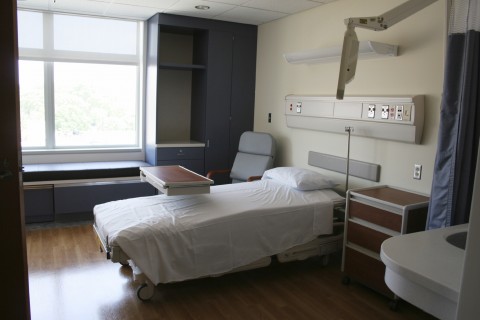
Healthcare introduces several important terms: Servizio Sanitario Nazionale (SSN), ASL, tessera sanitaria, medico di base (“general practitioner”), and ricetta (“prescription”).
Eligibility and registration procedures for foreign residents depend on the person’s circumstances. Italy’s Ministry of Health explains that eligible foreign residents register with the SSN through the relevant local health authority, and that the rules can differ according to residence status.
Essential Healthcare Phrases
| Italian | English |
|---|---|
| Vorrei iscrivermi al Servizio Sanitario Nazionale. | “I’d like to register with the National Health Service.” |
| Dove si trova la ASL? | “Where is the local health authority?” |
| Vorrei scegliere un medico di base. | “I’d like to choose a general practitioner.” |
| Vorrei cambiare medico di base. | “I’d like to change my general practitioner.” |
| Non ho ancora ricevuto la tessera sanitaria. | “I haven’t received my health card yet.” |
| Ho perso la tessera sanitaria. | “I lost my health card.” |
| Vorrei prenotare una visita. | “I’d like to book a medical appointment.” |
| Ho un appuntamento alle tre. | “I have an appointment at three.” |
| Non mi sento bene. | “I don’t feel well.” |
| Ho la febbre. | “I have a fever.” |
| Ho mal di testa. | “I have a headache.” |
| Mi fa male la gola. | “My throat hurts.” |
| Mi fa male qui. | “It hurts here.” |
| Ho mal di stomaco. | “I have a stomachache.” |
| Sono allergico/a alla penicillina. | “I’m allergic to penicillin.” |
| Prendo questo farmaco. | “I take this medication.” |
| Ho bisogno di una ricetta? | “Do I need a prescription?” |
| Può farmi una ricetta? | “Can you write me a prescription?” |
| Dov’è la farmacia più vicina? | “Where is the nearest pharmacy?” |
| Avete qualcosa per il dolore? | “Do you have something for pain?” |
| Avete qualcosa per la tosse? | “Do you have something for a cough?” |
| Quante volte al giorno devo prenderlo? | “How many times a day should I take it?” |
| Devo prenderlo con il cibo? | “Should I take it with food?” |
| Ci sono effetti collaterali? | “Are there any side effects?” |
| Dove si trova il pronto soccorso? | “Where is the emergency room?” |
| Devo andare al pronto soccorso? | “Do I need to go to the emergency room?” |
| Quando devo tornare? | “When should I come back?” |
Example Conversation at a Doctor’s Office
Receptionist: Buongiorno. Ha un appuntamento?
“Good morning. Do you have an appointment?”
You: Sì, ho un appuntamento alle tre.
“Yes, I have an appointment at three.”
Doctor: Che cosa si sente?
“What symptoms are you having?”
You: Non mi sento bene. Ho la febbre e mi fa male la gola.
“I don’t feel well. I have a fever and my throat hurts.”
Doctor: Prende qualche farmaco?
“Are you taking any medication?”
You: Sì, prendo questo farmaco.
“Yes, I take this medication.”
At the Pharmacy
A pharmacy is a farmacia, and a pharmacist is a farmacista.
Useful patterns include:
Avete qualcosa per…?
“Do you have something for…?”
Quante volte al giorno?
“How many times a day?”
Con il cibo o senza?
“With food or without?”
Emergencies, Police & Customer Service
The European emergency number 112 is used in Italy to request emergency assistance, with calls routed to the appropriate emergency service where the NUE 112 system operates.
In a stressful situation, short sentences are often the most useful.
Emergency and Police Phrases
| Italian | English |
|---|---|
| Aiuto! | “Help!” |
| Chiami il 112. | “Call 112.” |
| Chiami un’ambulanza. | “Call an ambulance.” |
| Chiami la polizia. | “Call the police.” |
| C’è un incendio. | “There’s a fire.” |
| Qualcuno è ferito. | “Someone is injured.” |
| Non riesco a respirare. | “I can’t breathe.” |
| Ho un forte dolore. | “I’m in severe pain.” |
| Ho perso il portafoglio. | “I lost my wallet.” |
| Mi hanno rubato il portafoglio. | “My wallet was stolen.” |
| Ho perso il passaporto. | “I lost my passport.” |
| Vorrei fare una denuncia. | “I’d like to file a report.” |
| Dov’è il commissariato? | “Where is the police station?” |
| Ho bisogno di un interprete. | “I need an interpreter.” |
| Non so dove sono. | “I don’t know where I am.” |
| Ho perso il telefono. | “I lost my phone.” |
| Mi hanno rubato la borsa. | “My bag was stolen.” |
| Il mio ordine non è arrivato. | “My order hasn’t arrived.” |
| Il prodotto è rotto. | “The product is broken.” |
| Vorrei un rimborso. | “I’d like a refund.” |
If you’re stressed, keep your sentences short. Ho bisogno di aiuto (“I need help”) plus a key word such as ambulanza, polizia, or passaporto may be enough to begin the conversation.
Housing, Repairs & Neighbors
Finding an apartment is only the beginning. Once you’ve moved in, you’ll need Italian for rent, deposits, condominium expenses, repairs, utilities, neighbors, and everyday problems at home.

Essential Housing Vocabulary
| Italian | English |
|---|---|
| appartamento | “apartment” |
| affitto | “rent” |
| deposito cauzionale | “security deposit” |
| contratto di affitto | “rental contract” |
| proprietario / proprietaria | “landlord / property owner” |
| spese condominiali | “condominium/shared building expenses” |
| riparazione | “repair” |
| tecnico | “technician” |
| perdita d’acqua | “water leak” |
| chiave | “key” |
Housing and Repair Phrases
| Italian | English |
|---|---|
| Sto cercando un appartamento. | “I’m looking for an apartment.” |
| Quanto costa l’affitto? | “How much is the rent?” |
| Le bollette sono incluse? | “Are the bills included?” |
| Quanto è il deposito cauzionale? | “How much is the security deposit?” |
| Quando è disponibile? | “When is it available?” |
| Quanto dura il contratto? | “How long is the contract?” |
| Posso vedere l’appartamento? | “Can I see the apartment?” |
| L’appartamento è arredato? | “Is the apartment furnished?” |
| Sono ammessi animali? | “Are pets allowed?” |
| Ci sono spese condominiali? | “Are there condominium fees?” |
| Quanto sono le spese condominiali? | “How much are the condominium fees?” |
| Quando devo pagare l’affitto? | “When do I need to pay the rent?” |
| Come devo pagare l’affitto? | “How should I pay the rent?” |
| Non c’è acqua calda. | “There’s no hot water.” |
| Non c’è corrente. | “There’s no electricity.” |
| Il riscaldamento non funziona. | “The heating isn’t working.” |
| L’aria condizionata non funziona. | “The air conditioner isn’t working.” |
| C’è una perdita d’acqua in cucina. | “There’s a water leak in the kitchen.” |
| Serve una riparazione. | “It needs to be repaired.” |
| Può mandare un tecnico? | “Can you send a technician?” |
| Quando può venire il tecnico? | “When can the technician come?” |
| Ho perso le chiavi. | “I lost my keys.” |
| Dove si buttano i rifiuti? | “Where do we throw away the garbage?” |
| Quali sono i giorni della raccolta? | “What are the collection days?” |
| Mi scusi per il rumore. | “Sorry about the noise.” |
Example Conversation with a Landlord
You: Buongiorno. C’è un problema nell’appartamento.
“Good morning. There’s a problem in the apartment.”
Landlord: Che problema c’è?
“What’s the problem?”
You: Non c’è acqua calda. Serve una riparazione.
“There’s no hot water. It needs to be repaired.”
Landlord: Mando un tecnico.
“I’ll send a technician.”
You: Grazie. Quando può venire?
“Thank you. When can they come?”
Short, clear sentences are often better than trying to explain the entire problem at once.
Post Office, Deliveries & Everyday Services
Packages, registered mail, returns, receipts, and delivery problems are ordinary parts of daily life, but they’re exactly where practical Italian starts saving you time.

Postal, Delivery and Service Phrases
| Italian | English |
|---|---|
| Dov’è l’ufficio postale? | “Where is the post office?” |
| Vorrei spedire questo pacco. | “I’d like to send this package.” |
| Vorrei spedire questa lettera. | “I’d like to send this letter.” |
| Quanto costa la spedizione? | “How much does shipping cost?” |
| Quanto tempo ci vuole? | “How long will it take?” |
| Vorrei inviarlo con raccomandata. | “I’d like to send it by registered mail.” |
| Vorrei il codice di tracciamento. | “I’d like the tracking number.” |
| Ho bisogno di una busta. | “I need an envelope.” |
| Ho bisogno di un francobollo. | “I need a stamp.” |
| Aspetto un pacco. | “I’m expecting a package.” |
| Il pacco non è arrivato. | “The package hasn’t arrived.” |
| Ho ricevuto un avviso di giacenza. | “I received a collection notice.” |
| Dove posso ritirare il pacco? | “Where can I collect the package?” |
| Serve un documento d’identità? | “Do I need an identity document?” |
| Posso cambiare la data di consegna? | “Can I change the delivery date?” |
| Può chiamarmi prima della consegna? | “Can you call me before delivery?” |
| Vorrei restituire questo prodotto. | “I’d like to return this product.” |
| Ho lo scontrino. | “I have the receipt.” |
| Posso cambiarlo? | “Can I exchange it?” |
| Mi avete addebitato due volte. | “I was charged twice.” |
These phrases are also useful online and over the phone. Once you know a few reusable patterns, you can adapt them to many different services.
Italian Politeness & Formality in Everyday Life
Italian makes an important distinction between informal tu and polite Lei.
Compare:
Puoi aiutarmi?
“Can you help me?” – informal
Può aiutarmi?
“Can you help me?” – polite/formal
With officials, bank employees, doctors, older strangers, or service staff you don’t know, the polite form is generally the safer starting point.
Other useful polite patterns include:
Vorrei…
“I would like…”
Può dirmi…?
“Can you tell me…?”
Può spiegarmi…?
“Can you explain…?”
Mi scusi, posso fare una domanda?
“Excuse me, can I ask a question?”
Grazie mille per l’aiuto.
“Thank you very much for your help.”
Being clear, polite, and patient is usually more useful than trying to produce a perfect sentence.
How to Learn Practical Italian Faster
Knowing 160+ phrases is useful, but memorizing a giant list from beginning to end isn’t the best way to learn them.
Study by Situation
Choose the situations you’re actually likely to face.
| Situation | Focus On |
|---|---|
| Immigration | Residence permits, documents, applications |
| Public services | Comune, residence, certificates |
| Banking | Accounts, cards, payments |
| Healthcare | Symptoms, appointments, medication |
| Housing | Rent, contracts, repairs |
| Emergencies | Short requests for immediate help |
If you have a doctor’s appointment tomorrow, study the healthcare section tonight. If you’re opening a bank account next week, focus on banking phrases.
Learn Reusable Sentence Patterns
Several structures appear repeatedly throughout this guide.
Vorrei…
“I would like…”
Devo…
“I need to / Do I need to…”
Ho bisogno di…
“I need…”
Dove posso…?
“Where can I…?”
Serve…?
“Is … required?”
Può…?
“Can you…?”
Quanto costa…?
“How much does … cost?”
Once these patterns become automatic, you can replace one or two words and create dozens of new sentences.
Practice Complete Dialogues
Vocabulary is easier to remember when you connect it to a real exchange.
Instead of memorizing:
permesso di soggiorno – “residence permit”
documenti – “documents”
rinnovo – “renewal”
practice:
Vorrei rinnovare il permesso di soggiorno. Quali documenti devo portare?
“I’d like to renew my residence permit. Which documents do I need to bring?”
Now the vocabulary has a purpose.
Build Vocabulary Through Real-Life Topics
Practical resident vocabulary doesn’t have to come only from bureaucracy. Learning about the country you live in can give you useful context for conversations with coworkers, neighbors, and friends.
For example, ItalianPod101’s Top 10 Companies in Italy | Italian Culture introduces major Italian companies in a beginner-friendly culture lesson. It’s a useful way to expand your vocabulary while becoming more familiar with the country’s business environment.
Prepare Before Important Appointments
Before an appointment, choose five to ten phrases you’re likely to need.
For example:
Vorrei informazioni su…
“I’d like information about…”
Quali documenti servono?
“Which documents are required?”
Manca qualche documento?
“Is any document missing?”
Devo firmare qui?
“Should I sign here?”
Può dirmi qual è il prossimo passo?
“Can you tell me what the next step is?”
You don’t need to prepare for every possible sentence. Prepare enough language to explain your goal and ask for clarification.
Learn Real-Life Italian with ItalianPod101
Knowing individual phrases is helpful. Knowing when and how to use them is what builds real confidence.
ItalianPod101 can help you move from isolated vocabulary to complete conversations through Italian dialogues, listening practice, vocabulary lessons, and structured learning materials.
With ItalianPod101, you can:
- Build vocabulary for everyday situations
- Hear Italian used in complete conversations
- Improve your listening comprehension
- Practice pronunciation with native-speaker audio
- Review useful vocabulary and grammar in context
- Study at your own pace
- Prepare for real conversations before you need them
The more often you encounter useful patterns in context, the easier they become to recognize and produce in real life.
Frequently Asked Questions
Can I live in Italy without speaking Italian?
It’s possible to handle many situations with limited Italian, particularly when English-speaking help is available. However, practical Italian becomes much more useful when dealing with government paperwork, healthcare, housing, repairs, local services, or people who aren’t comfortable communicating in English.
You don’t need to become fluent before you can benefit. Even a small group of well-chosen phrases can make everyday interactions easier.
What Italian should I learn first after moving to Italy?
Start with the language connected to your immediate needs:
- Greetings and clarification phrases
- Immigration and residence paperwork
- Comune and public services
- Banking and utilities
- Healthcare
- Housing and repairs
- Emergencies
- Deliveries and customer service
Learning by situation is usually more useful than memorizing unrelated vocabulary.
Do I need advanced Italian for administrative appointments?
No. You can accomplish a lot with short, predictable sentences.
Focus on being able to:
- Explain why you’re there
- Name the document or service you need
- Ask which documents are required
- Ask where to go
- Ask someone to repeat themselves
- Confirm what happens next
More advanced Italian will make these situations easier, but you don’t need to wait until you’re advanced before using the language.
What is a codice fiscale?
The codice fiscale is Italy’s tax identification code. Foreign residents will encounter it in many areas of everyday administration, including healthcare and other services. Italy’s Ministry of Health, for example, notes its use in SSN registration procedures for foreign residents.
For language-learning purposes, the important thing is to recognize the term and be able to ask questions such as:
Dove posso richiedere il codice fiscale?
“Where can I request the tax identification code?”
What are SPID and CIE?
SPID is Italy’s public digital identity system, while CIE is the electronic identity card. They can be used to access a range of online public services; for example, the Agenzia delle Entrate currently accepts both for access to its pre-filled tax-return service.
What is the SSN?
The Servizio Sanitario Nazionale (SSN) is Italy’s national health service. Foreign residents’ eligibility and registration arrangements depend on their circumstances, and eligible residents generally deal with their local health authority for registration.
What number should I call in an emergency in Italy?
112 is the European emergency number and is used in Italy for urgent requests for police, fire, or medical assistance through the NUE system where active.
A useful phrase to remember is:
Chiami il 112.
“Call 112.”
Should I use tu or Lei with officials and service staff?
With someone you don’t know, particularly an official or service employee, the polite Lei form is generally the safer choice.
For example:
Può aiutarmi? – polite
Puoi aiutarmi? – informal
As you spend more time in Italy, you’ll develop a better feel for when people naturally switch to informal language.
What’s the fastest way to learn survival Italian?
Prioritize phrases that solve actual problems.
Start with a situation you expect to face, learn the key nouns, memorize a few reusable sentence patterns, and practice them as a short dialogue. Listening to those patterns in natural Italian will also help you recognize them when someone answers you.
From Confusion to Confidence
Living in another country involves dozens of conversations you may never have practiced in a language course. You might need to ask about a residence permit in the morning, explain a billing problem in the afternoon, and call your landlord about a repair that evening.
You don’t need perfect Italian for any of those situations.
Start with the phrases that solve the problems in front of you. Learn how to ask for help, explain what you need, understand the most important vocabulary, and request clarification when something is unclear.
Every successful interaction gives you another pattern you can reuse the next time.
When you’re ready to keep building your practical Italian through vocabulary, dialogues, and listening practice, start learning real-life Italian with ItalianPod101.