


Moving to Italy is exciting, but everyday life quickly teaches you that textbook Italian and real-life Italian are not always the same thing.
Ordering at a café or introducing yourself is one thing. Explaining that you’ve lost your passport, describing symptoms to a doctor, or asking what to do after a cancelled train is something else entirely. These situations often happen unexpectedly, and staff may speak quickly or use vocabulary you have not practiced before.
The good news is that you do not need perfect Italian to handle everyday situations more confidently. Many interactions follow familiar patterns, and learning a few useful phrases in advance can make it much easier to understand what is happening and respond appropriately.
In this guide, you’ll learn 42 practical Italian phrases across six situations that residents and long-term visitors commonly face: the post office, medical appointments, customer service, police, emergencies, and transportation problems. Each section includes natural Italian, English meanings, a short dialogue, and useful vocabulary.
Table of Contents
What Italian Phrases Do You Need for Daily Life in Italy?
If you’re living in Italy, or planning to move there, you do not need to memorize thousands of words before you can function confidently. It is more useful to learn phrases for the situations you are actually likely to encounter.
This guide focuses on:
- Sending letters and packages at the post office
- Visiting a doctor, clinic, or hospital
- Calling customer service
- Speaking with the police or Carabinieri
- Handling emergencies
- Solving transportation problems
For a broader guide covering immigration, residence procedures, banking, healthcare, housing, utilities, and more, see The Ultimate Italian Guide for Living in Italy: 160+ Essential Phrases for Visa, Immigration, Moving & Daily Life.
At the Post Office: Sending Packages, Registered Mail, and Tracking Deliveries

Whether you’re mailing documents, sending a package abroad, buying stamps, or using registered mail, you’ll probably need a post office at some point while living in Italy.
For extra practice, ItalianPod101’s Post Office 2 lesson covers useful language for sending a package.
Common Situations
You may visit the post office to:
- Send a domestic package
- Send a parcel internationally
- Buy stamps
- Send registered mail
- Ask about tracking
- Ask about delivery times
Essential Italian Phrases
| Italian | English |
|---|---|
| Vorrei spedire un pacco. | “I’d like to send a package.” |
| È una spedizione internazionale. | “It’s an international shipment.” |
| Quanto costa spedire questo pacco? | “How much does it cost to send this package?” |
| Posso tracciare la spedizione? | “Can I track the shipment?” |
| Vorrei comprare dei francobolli. | “I’d like to buy some stamps.” |
| Vorrei spedire questa lettera con raccomandata. | “I’d like to send this letter by registered mail.” |
| Quanto tempo ci vuole, più o meno? | “About how long will it take?” |
Sample Dialogue
Customer
Buongiorno. Vorrei spedire questo pacco in Canada.
“Good morning. I’d like to send this package to Canada.”
Clerk
Vuole una spedizione tracciabile?
“Would you like tracked shipping?”
Customer
Sì, grazie. Quanto tempo ci vuole, più o meno?
“Yes, thank you. About how long will it take?”
Clerk
Controllo in base al servizio che sceglie.
“I’ll check based on the service you choose.”
Useful Vocabulary
| Italian | English |
|---|---|
| l’ufficio postale | “post office” |
| un pacco | “package / parcel” |
| un francobollo | “stamp” |
| una spedizione | “shipment” |
| il tracciamento | “tracking” |
| una raccomandata | “registered mail” |
| il destinatario | “recipient” |
Visiting a Doctor, Clinic, or Hospital
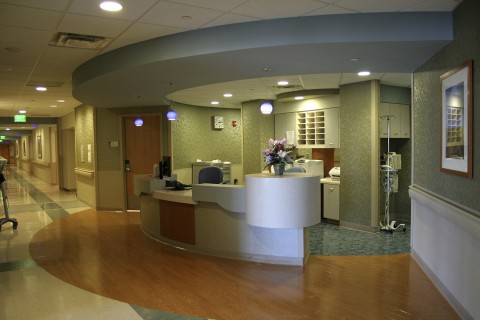
Nobody plans to get sick, but learning a few medical phrases before you need them can make a medical appointment much less stressful. In Italy, you may visit a doctor’s office, an ASL facility, an urgent-care service, a clinic, or a hospital depending on the situation.
ItalianPod101’s Medical Assistance lesson provides extra practice with useful medical Italian.
If you are registered with the Italian National Health Service, or Servizio Sanitario Nazionale (SSN), you may use your tessera sanitaria when accessing healthcare services.
Common Situations
At a medical appointment, you may need to:
- Say that it is your first visit
- Present your tessera sanitaria
- Describe your symptoms
- Explain where you have pain
- Ask whether someone speaks English
- Find a pharmacy
Essential Italian Phrases
| Italian | English |
|---|---|
| È la prima volta che vengo qui. | “This is my first visit here.” |
| Ecco la mia tessera sanitaria. | “Here’s my health card.” |
| Ho la febbre. | “I have a fever.” |
| Ho mal di testa. | “I have a headache.” |
| Mi fa male lo stomaco. | “My stomach hurts.” |
| C’è qualcuno che parla inglese? | “Is there anyone who speaks English?” |
| Dov’è la farmacia più vicina? | “Where is the nearest pharmacy?” |
Sample Dialogue
Receptionist
Buongiorno. È la prima volta che viene qui?
“Good morning. Is this your first visit here?”
Patient
Sì, è la prima volta che vengo qui.
“Yes, this is my first visit here.”
Receptionist
Ha la tessera sanitaria?
“Do you have your health card?”
Patient
Sì, eccola.
“Yes, here it is.”
Useful Vocabulary
| Italian | English |
|---|---|
| un medico | “doctor” |
| un ospedale | “hospital” |
| una clinica | “clinic” |
| un’infermiera / un infermiere | “nurse” |
| un sintomo | “symptom” |
| una ricetta | “prescription” |
| un farmaco | “medicine / medication” |
| una farmacia | “pharmacy” |
| la tessera sanitaria | “health card” |
Helpful Phrases When You Don’t Understand
Può ripetere, per favore?
“Could you repeat that, please?”
Può parlare un po’ più lentamente?
“Could you speak a little more slowly?”
For official information about healthcare access for foreign residents in Italy, see the Italian Ministry of Health’s guidance on access to the National Health Service.
Calling Customer Service
Calling an internet provider, phone company, bank, utility company, insurer, or another service provider can feel intimidating if Italian is not your first language.
The good news is that these calls are usually structured. You may be asked for your customer number, address, codice fiscale, or other account information before the representative can help.
For useful telephone language, see ItalianPod101’s On the Phone lesson.
Common Situations
You may need to contact customer service to:
- Report a service problem
- Ask about your account
- Change your address
- Modify a contract
- Ask about a bill
- Request technical support
Essential Italian Phrases
| Italian | English |
|---|---|
| Ho un problema con la connessione. | “I have a problem with my connection.” |
| Internet non funziona. | “The internet isn’t working.” |
| Vorrei modificare il contratto. | “I’d like to change my contract.” |
| Vorrei cambiare il mio indirizzo. | “I’d like to change my address.” |
| Può spiegarmelo di nuovo? | “Could you explain that to me again?” |
| Può parlare un po’ più lentamente? | “Could you speak a little more slowly?” |
| Vorrei parlare con un operatore, per favore. | “I’d like to speak to a representative, please.” |
Sample Dialogue
Representative
Servizio clienti, buongiorno. Come posso aiutarla?
“Customer service, good morning. How can I help you?”
Customer
Buongiorno. Internet non funziona.
“Good morning. The internet isn’t working.”
Representative
Controllo la sua linea. Può darmi il numero cliente?
“I’ll check your line. Could you give me your customer number?”
Customer
Certo. Un momento, per favore.
“Of course. One moment, please.”
Useful Vocabulary
| Italian | English |
|---|---|
| un contratto | “contract” |
| un abbonamento | “subscription / plan” |
| una bolletta | “utility bill” |
| un guasto | “fault / breakdown” |
| il servizio clienti | “customer service” |
| un operatore / un’operatrice | “representative / operator” |
| il numero cliente | “customer number” |
| una disdetta | “cancellation / termination” |
Going to the Police or Carabinieri
Hopefully, you will not often need police assistance, but it is useful to know what to say if you lose important documents, have something stolen, need to make a report, or need urgent help.
In Italy, depending on the situation and location, you may deal with the Polizia di Stato or the Carabinieri.
For emergency-language practice, ItalianPod101’s Help! lesson covers asking for help and contacting the police.
Common Situations
You may need the police or Carabinieri to:
- Report a stolen item
- Explain that you lost important documents
- File a report
- Ask where to report a lost passport
- Ask for immediate help
- Ask whether someone speaks English
Essential Italian Phrases
| Italian | English |
|---|---|
| Ho perso il portafoglio. | “I lost my wallet.” |
| Ho perso il passaporto. | “I lost my passport.” |
| Mi hanno rubato la bicicletta. | “My bicycle was stolen.” |
| Vorrei sporgere denuncia. | “I’d like to file a report.” |
| Può aiutarmi, per favore? | “Can you help me, please?” |
| C’è qualcuno che parla inglese? | “Is there anyone who speaks English?” |
| Dove posso denunciare lo smarrimento del passaporto? | “Where can I report the loss of my passport?” |
Sample Dialogue
Police Officer
Buongiorno. Che cosa è successo?
“Good morning. What happened?”
Resident
Mi hanno rubato la bicicletta. Vorrei sporgere denuncia.
“My bicycle was stolen. I’d like to file a report.”
Police Officer
Sa quando e dove è successo?
“Do you know when and where it happened?”
Resident
Sì. Era davanti alla stazione ieri sera.
“Yes. It was in front of the station yesterday evening.”
Useful Vocabulary
| Italian | English |
|---|---|
| la polizia | “police” |
| i Carabinieri | “Carabinieri” |
| un commissariato | “police station” |
| una caserma dei Carabinieri | “Carabinieri station” |
| un furto | “theft” |
| una denuncia | “police report / complaint” |
| un portafoglio | “wallet” |
| un documento d’identità | “identity document” |
Survival Tip
When you’re stressed, start with one clear sentence:
Ho perso il passaporto.
“I lost my passport.”
Mi hanno rubato il telefono.
“My phone was stolen.”
Può aiutarmi, per favore?
“Can you help me, please?”
Once the officer understands the situation, they can guide the conversation with follow-up questions.
Emergency Situations
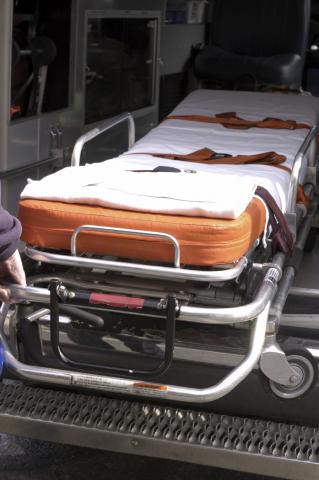
Emergencies are stressful in any language. Whether you need urgent medical help, witness an accident, or discover a fire, clear communication matters much more than perfect grammar.
In Italy, the main emergency numbers include:
- 112 = Single European emergency number
- 113 = State Police
- 115 = Fire brigade
- 118 = Urgent and emergency medical assistance
The 112 operator can direct you to the appropriate emergency service.
Common Situations
You may need Italian if you:
- Need an ambulance
- Need urgent medical assistance
- Witness an accident
- Report a fire
- Need the police
- Need to explain your location
Essential Italian Phrases
| Italian | English |
|---|---|
| Aiuto! | “Help!” |
| Ho bisogno di un’ambulanza. | “I need an ambulance.” |
| C’è un incendio. | “There’s a fire.” |
| C’è stato un incidente. | “There’s been an accident.” |
| Non riesco a respirare. | “I can’t breathe.” |
| Chiamate la polizia, per favore. | “Call the police, please.” |
| Siamo davanti alla stazione. | “We’re in front of the station.” |
Sample Dialogue
Emergency Operator
Emergenza, buongiorno. Che cosa è successo?
“Emergency services, hello. What happened?”
Caller
C’è stato un incidente. Ho bisogno di un’ambulanza.
“There’s been an accident. I need an ambulance.”
Operator
Dove vi trovate?
“Where are you?”
Caller
Siamo davanti alla stazione.
“We’re in front of the station.”
Useful Vocabulary
| Italian | English |
|---|---|
| un’ambulanza | “ambulance” |
| i Vigili del Fuoco | “fire brigade / firefighters” |
| un incendio | “fire” |
| un incidente | “accident” |
| una ferita | “injury / wound” |
| un’emergenza | “emergency” |
| il pronto soccorso | “emergency department” |
If You Don’t Know Your Exact Location
Tell the operator the nearest:
- Train, metro, or bus station
- Shop or café
- Intersection
- Building
- Landmark
For current official emergency-number information, see Italia.it’s emergency and assistance guide.
Transportation Problems

Italy has extensive local and national public transportation, but delays, cancellations, missed connections, and ticket problems can still happen.
For extra practice with station and ticket vocabulary, ItalianPod101’s Buying a Train Ticket lesson is a useful starting point.
Common Situations
You may need help when:
- Your train is delayed
- Your train is cancelled
- You need to find the correct platform
- You need to confirm where a train goes
- You miss a connection
- You need another ticket
Essential Italian Phrases
| Italian | English |
|---|---|
| Il treno è in ritardo? | “Is the train delayed?” |
| Il mio treno è stato cancellato. | “My train was cancelled.” |
| Questo treno va a Roma? | “Does this train go to Rome?” |
| Da quale binario parte? | “Which platform does it leave from?” |
| Ho perso la coincidenza. | “I missed my connection.” |
| Dove posso comprare un altro biglietto? | “Where can I buy another ticket?” |
| Dove devo cambiare? | “Where do I need to change?” |
Sample Dialogue
Passenger
Mi scusi. Il mio treno è stato cancellato. Qual è il prossimo treno per Roma?
“Excuse me. My train was cancelled. What is the next train to Rome?”
Staff Member
Ce n’è uno alle 16:20, dal binario 7.
“There’s one at 4:20 p.m., from platform 7.”
Passenger
Grazie. Devo cambiare il biglietto?
“Thank you. Do I need to change my ticket?”
Staff Member
Sì, vada allo sportello, per favore.
“Yes, please go to the ticket counter.”
Useful Vocabulary
| Italian | English |
|---|---|
| un treno | “train” |
| una stazione | “station” |
| un binario | “platform / track” |
| un biglietto | “ticket” |
| un ritardo | “delay” |
| una coincidenza | “connection” |
| uno sportello | “ticket / service counter” |
| cancellato | “cancelled” |
Essential Italian Cheat Sheet for Everyday Life
Need a quick refresher before heading out? Save this table to your phone or bookmark the page.
| Situation | Italian | English |
|---|---|---|
| Post Office | Vorrei spedire un pacco. | “I’d like to send a package.” |
| Post Office | Posso tracciare la spedizione? | “Can I track the shipment?” |
| Medical | Ho la febbre. | “I have a fever.” |
| Medical | Ho mal di testa. | “I have a headache.” |
| Customer Service | Internet non funziona. | “The internet isn’t working.” |
| Customer Service | Può parlare un po’ più lentamente? | “Could you speak a little more slowly?” |
| Police | Vorrei sporgere denuncia. | “I’d like to file a report.” |
| Police | Può aiutarmi, per favore? | “Can you help me, please?” |
| Emergency | Ho bisogno di un’ambulanza. | “I need an ambulance.” |
| Emergency | Chiamate la polizia, per favore. | “Call the police, please.” |
| Transportation | Il mio treno è stato cancellato. | “My train was cancelled.” |
| Transportation | Ho perso la coincidenza. | “I missed my connection.” |
How to Practice These Situations Before You Need Them
The best time to learn practical Italian is before you urgently need it.
Focus on Situations You’ll Actually Experience
Practice conversations you are likely to encounter as someone living in Italy:
- Asking for help
- Describing symptoms
- Sending packages
- Reporting stolen or lost items
- Dealing with transportation disruptions
- Making phone calls
- Talking with customer service
Learn Through Complete Dialogues
Studying complete conversations helps you learn more than isolated words. Dialogues show you:
- Natural pronunciation
- Common sentence patterns
- Polite expressions
- Expected responses
- Vocabulary in context
- Conversational rhythm
Over time, you can start recognizing entire chunks of Italian instead of translating word by word.
A Simple Listening Practice Routine
- Listen once without reading.
- Read the transcript.
- Listen again.
- Repeat each sentence aloud.
- Role-play both speakers.
- Review the dialogue again a few days later.
Practice Real-Life Italian with ItalianPod101
The best way to prepare for life in Italy is to practice the conversations you are most likely to have.
ItalianPod101 includes dialogue-based lessons, vocabulary practice, listening exercises, transcripts, and other resources for everyday communication. You can start with Level 1 Italian, an Absolute Beginner pathway aligned with CEFR A1-A2, and move into more situation-specific material as your Italian improves.
Whether you are preparing before your move or already living in Italy, regular listening and speaking practice can make these situations feel much more familiar.
When you’re ready to keep building practical Italian through dialogues, vocabulary, and listening practice, start learning real-life Italian with ItalianPod101.
Frequently Asked Questions
Can I live in Italy without speaking Italian?
It is possible to manage some situations with limited Italian, particularly when English-speaking help is available. However, even a small amount of practical Italian can make medical appointments, transportation, customer service, and unexpected problems much easier to handle.
What level of Italian do I need to live comfortably in Italy?
There is no single CEFR level that guarantees comfortable daily life. Real-life communication depends on listening speed, vocabulary, confidence, and the situations you encounter.
Even beginners can make daily life easier by learning practical phrases for the situations they face most often.
Do doctors and hospital staff in Italy speak English?
Some medical professionals speak English, but availability varies by facility, location, and individual staff member. It is useful to know a few basic medical phrases and how to ask whether someone speaks English.
Should I use tu or Lei in these situations?
Use Lei when speaking to staff, doctors, police officers, customer-service representatives, or people you do not know unless the situation becomes more informal or the other person invites you to use tu.
For example:
Può aiutarmi, per favore?
“Can you help me, please?”
is a natural polite form for these situations.
Final Thoughts
Living in Italy does not require perfect Italian. What matters is being able to communicate when you need help.
Whether you are sending a package, seeing a doctor, reporting a theft, calling customer service, handling an emergency, or dealing with a transportation problem, a few practical phrases can give you a clear way to begin the conversation.
Start with one situation. Practice a few phrases. Listen to a short dialogue. Then build from there. With repeated exposure, conversations that once felt intimidating can become much more manageable.
We’d Love to Hear From You
Which of these six situations would make you the most nervous in Italian?
- Visiting a doctor or hospital
- Going to the post office
- Talking to the police
- Calling customer service
- Handling an emergency
- Asking for help with transportation
Leave a comment below and let us know. We’ll recommend lessons and resources to help you feel more confident in that situation.