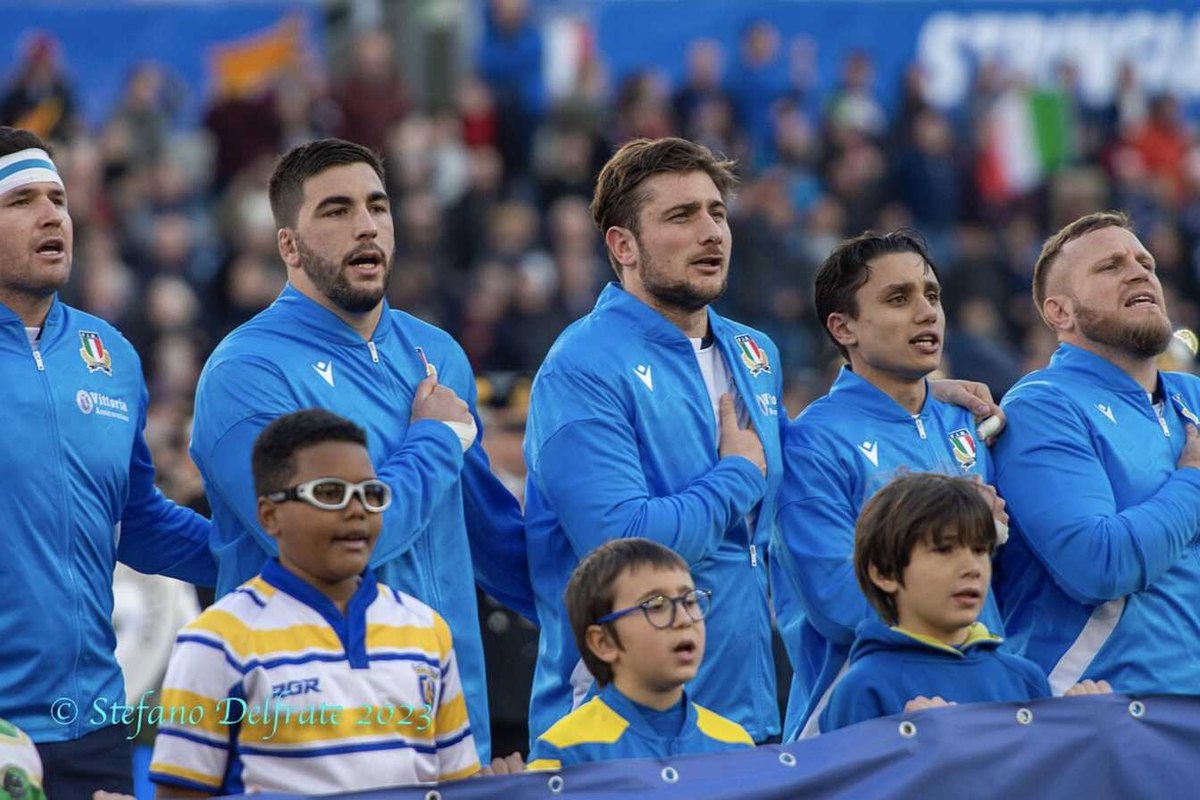
Watch any Italy football match and you’ll see it: the players of the national team, arms around each other’s shoulders, singing at the top of their lungs. The song is “Il Canto degli Italiani,” better known as “Fratelli d’Italia,” and it’s one of the most recognizable anthems in the world.
But what do the words actually mean? Who is Scipio, and why is Italy wearing his helmet? Here’s the short answer, followed by the lyrics, a pronunciation guide, a line-by-line explanation in simple English, and the key Italian words you’ll learn along the way.
What Does “Fratelli d’Italia” Mean?
Quick answer
Fratelli d’Italia means “Brothers of Italy.” The anthem calls on all Italians to wake up, unite like one family, and stand together like a Roman army, ready to fight for their country.
Key facts
- Official title: Il Canto degli Italiani
- Words: Goffredo Mameli, 1847
- Music: Michele Novaro, 1847
- Official anthem by law: 2017
Five words to learn first
| fratelli | brothers |
| s’è desta | has woken up |
| l’elmo | the helmet |
| stringiamci | let’s gather close |
| chiamò | called |
Table of Contents
- What Is the Italian National Anthem?
- Fratelli d’Italia Lyrics (First Verse and Chorus)
- Listen and Repeat: How to Pronounce the Anthem
- What the Lyrics Mean, Line by Line
- Key Italian Vocabulary From the Anthem
- When Do Italians Sing the National Anthem?
- The Famous “Sì!” at the End
- Quiz: Test Your Italian Anthem Knowledge
- Italian National Anthem FAQ
- Final Thoughts
1. What Is the Italian National Anthem?
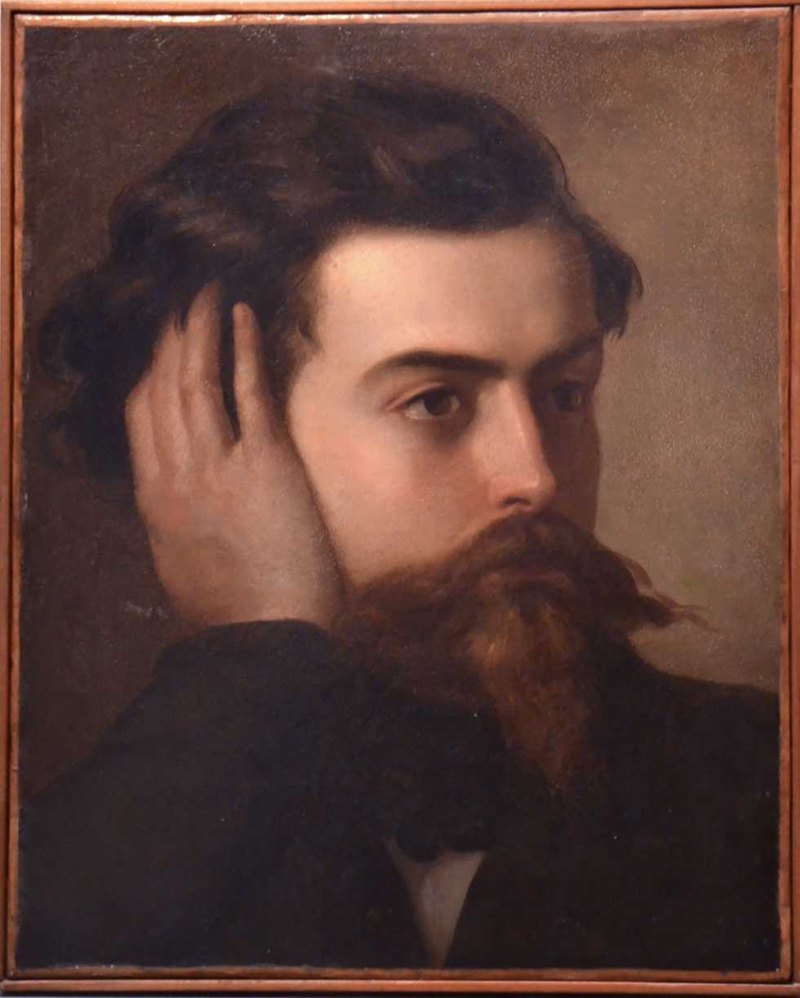
The Italian national anthem is officially called Il Canto degli Italiani (“The Song of the Italians”). Italians usually call it l’Inno di Mameli (“Mameli’s Hymn”), after its author, or simply Fratelli d’Italia (“Brothers of Italy”), after its first line.
The words were written in Genoa in the autumn of 1847 by Goffredo Mameli, a 20-year-old student and patriot. The music was composed the same year by Michele Novaro, a Genoese musician living in Turin. At the time, Italy was not yet a single country, and the song became a rallying cry of the Risorgimento, the movement to unite Italy. Mameli himself died in 1849, at just 21, while fighting for the short-lived Roman Republic.
Surprisingly, the song only became the anthem much later. After Italy became a republic in 1946, the government chose it as a provisional national anthem on October 12, 1946. It stayed “provisional” for more than 70 years, until Law No. 181 of December 4, 2017, officially recognized it as the Italian national anthem.
2. Fratelli d’Italia Lyrics (First Verse and Chorus)
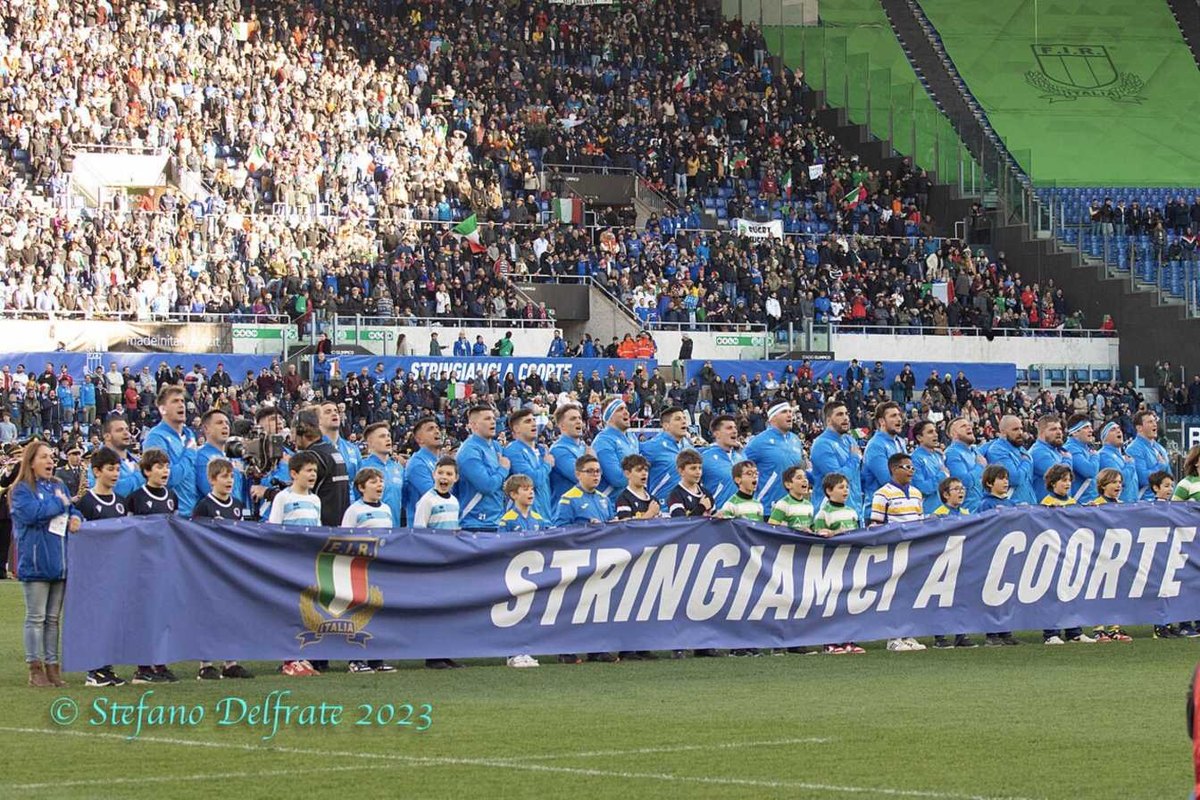
The full song has several verses, but at official ceremonies and sports events, Italians sing only the first verse followed by the chorus. Here it is:
Fratelli d’Italia,
l’Italia s’è desta,
dell’elmo di Scipio
s’è cinta la testa.
Dov’è la Vittoria?
Le porga la chioma,
ché schiava di Roma
Iddio la creò.Stringiamci a coorte,
siam pronti alla morte.
Siam pronti alla morte,
l’Italia chiamò.
At official events, the chorus is sung twice in a row. The lyrics were written in 1847, so they are in the public domain.
Want to learn the words by heart? Try the techniques from our video Learning Italian Through Music: first play the anthem in the background while you do something else, then read the lyrics line by line as you listen, sing along, and finally try writing the words down from memory as the song plays. The verse above is short, so it’s a perfect song to start with.
3. Listen and Repeat: How to Pronounce the Anthem
Italian is pronounced the way it’s written, so once you know a few rules, you can read the anthem out loud. Play a recording of the anthem, pause after each line, and repeat it. The syllable in capital letters is the stressed one.
| Italian | Say it like this |
|---|---|
| Fratelli d’Italia, | fra-TEL-li di-TA-lia |
| l’Italia s’è desta, | li-TA-lia seh DE-sta |
| dell’elmo di Scipio | del-LEL-mo di SHEE-pyo |
| s’è cinta la testa. | seh CHEEN-ta la TE-sta |
| Dov’è la Vittoria? | do-VEH la vit-TO-rya |
| Le porga la chioma, | le POR-ga la KYO-ma |
| ché schiava di Roma | keh SKYA-va di RO-ma |
| Iddio la creò. | id-DEE-o la kre-O |
| Stringiamci a coorte, | strin-JAM-chi a ko-OR-te |
| siam pronti alla morte. | syam PRON-ti AL-la MOR-te |
| l’Italia chiamò. | li-TA-lia kya-MO |
Four rules that help
- Double consonants are held longer: fratelli, Vittoria, Iddio, alla.
- ch = “k”: chioma, chiamò. sch = “sk”: schiava.
- c before i/e = “ch”: cinta. sc before i/e = “sh”: Scipio.
- A written accent shows the stress: creò, chiamò, Dov’è.
4. What the Lyrics Mean, Line by Line
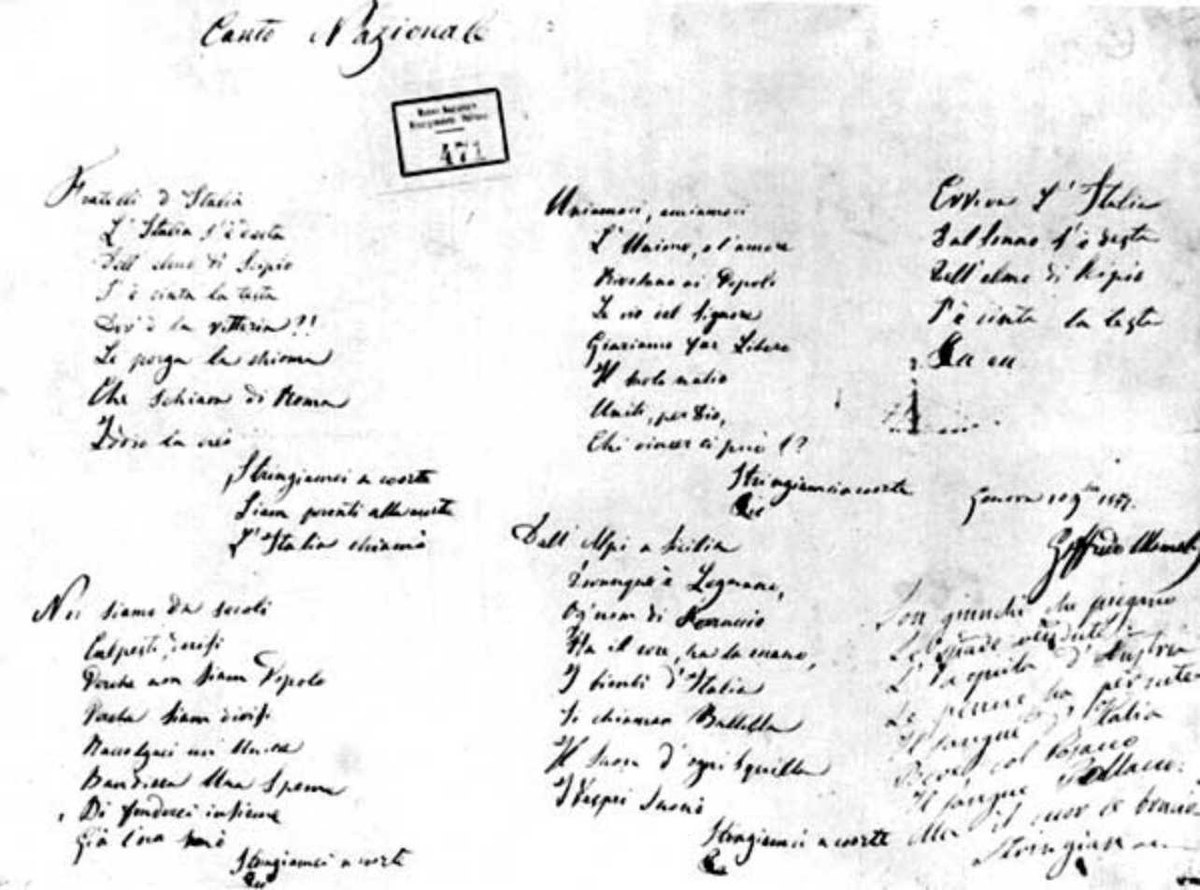
The anthem is written in 19th-century poetic Italian, full of references to ancient Rome. Here is what each line means:
| Italian | Literal translation | What it means |
|---|---|---|
| Fratelli d’Italia, | Brothers of Italy, | Fellow Italians, |
| l’Italia s’è desta, | Italy has awoken, | Italy is ready to rise up. |
| dell’elmo di Scipio / s’è cinta la testa. | she has put Scipio’s helmet on her head. | Italy is ready to fight, like the Roman general Scipio, who defeated Hannibal. |
| Dov’è la Vittoria? | Where is Victory? | Where is the goddess of Victory? |
| Le porga la chioma, | Let her offer her hair, | Let Victory bow to Italy. |
| ché schiava di Roma / Iddio la creò. | because God created her as Rome’s slave. | Victory has always belonged to Rome (and so to Italy). |
| Stringiamci a coorte, | Let’s gather in a cohort, | Let’s stand together, like a Roman army unit. |
| siam pronti alla morte. | we are ready to die. | We are ready to give everything. |
| l’Italia chiamò. | Italy has called. | Our country needs us. |
The image of Victory “offering her hair” refers to an ancient Roman custom: slaves had their hair cut short as a sign of servitude. In other words, Victory is Italy’s servant.
5. Key Italian Vocabulary From the Anthem
Many words in the anthem are poetic or old-fashioned. Here’s what they mean and how you would say them in everyday Italian:
| Anthem word | Meaning | Everyday Italian |
|---|---|---|
| fratelli | brothers | fratelli (also used for “siblings”) |
| s’è desta | has woken up | si è svegliata |
| elmo | helmet | elmo / casco |
| s’è cinta | has put on (around her head) | si è messa |
| la Vittoria | Victory (as a goddess) | la vittoria |
| porga | may offer / hand over | dia, offra |
| la chioma | head of hair (poetic) | i capelli |
| schiava | slave (feminine) | schiava |
| Iddio | God (old-fashioned) | Dio |
| stringiamci | let’s gather close | stringiamoci |
| coorte | cohort, a unit of the Roman army | gruppo, squadra |
| siam | we are | siamo |
| chiamò | called (literary past) | ha chiamato |
Notice the shortened forms like siam (for siamo) and stringiamci (for stringiamoci). Italian poems and songs often cut words like this to fit the rhythm of the music.
6. When Do Italians Sing the National Anthem?
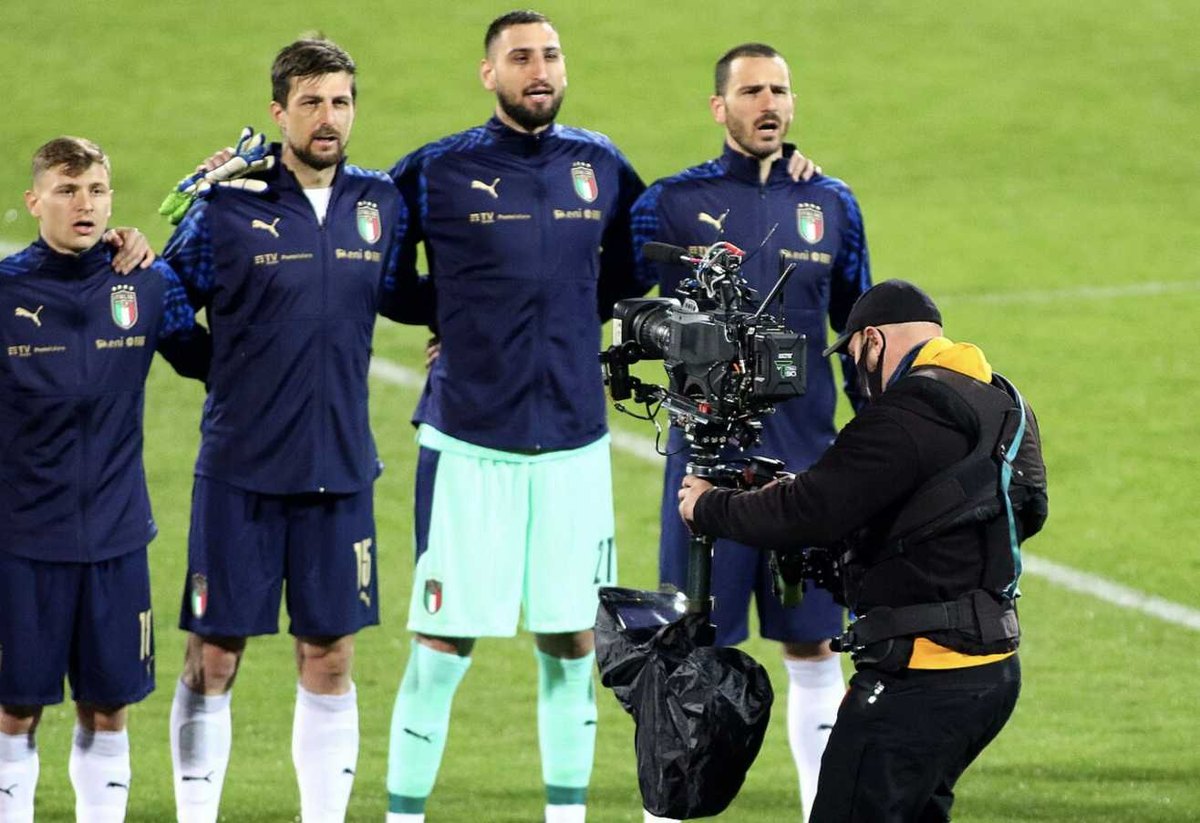
You’ll hear the Italian national anthem on many occasions:
- Sports events: before matches of the national football team, gli Azzurri, the national rugby team, and when Italian athletes win gold at the Olympics.
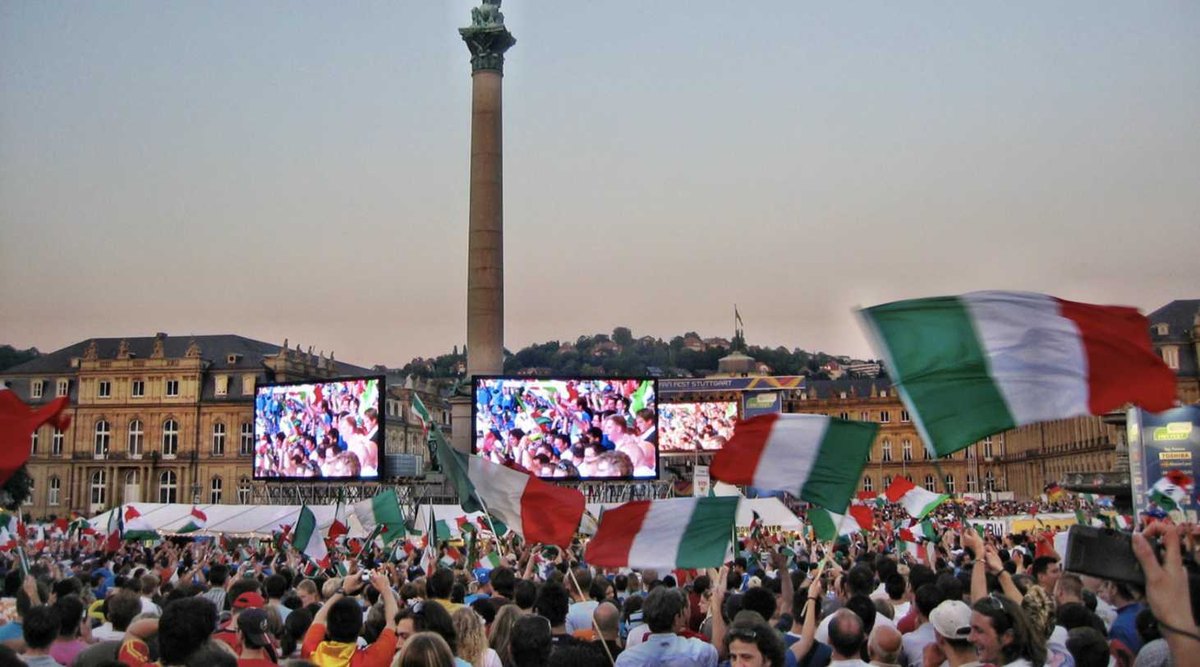
- Festa della Repubblica: on June 2, Italy celebrates the 1946 vote that made it a republic, with a military parade in Rome and the famous Frecce Tricolori painting the sky green, white, and red.
- Festa della Liberazione: on April 25, Italians remember the end of the Second World War in Italy in 1945. As Marco and Laura describe in Top Five Important Dates During the Italian Calendar Year, crowds fill the streets and squares to watch parades with marching bands and Italian flags.
- Official ceremonies: state visits, military events, and important public occasions.
- Schools: many Italian children learn the anthem at school.
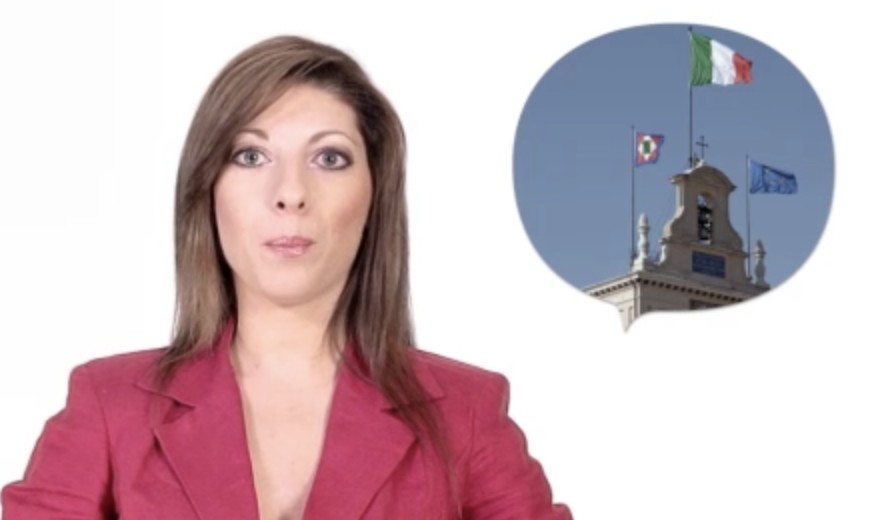
In the video lesson Republic Day, ItalianPod101 host Eleonora tells the story behind June 2. When Italy was unified in 1861, it was a monarchy ruled by the Savoy family. After the Second World War, Italians voted in an election on June 2, 1946, to abolish the monarchy and become a republic, and the Savoy family was sent into exile until 2002.
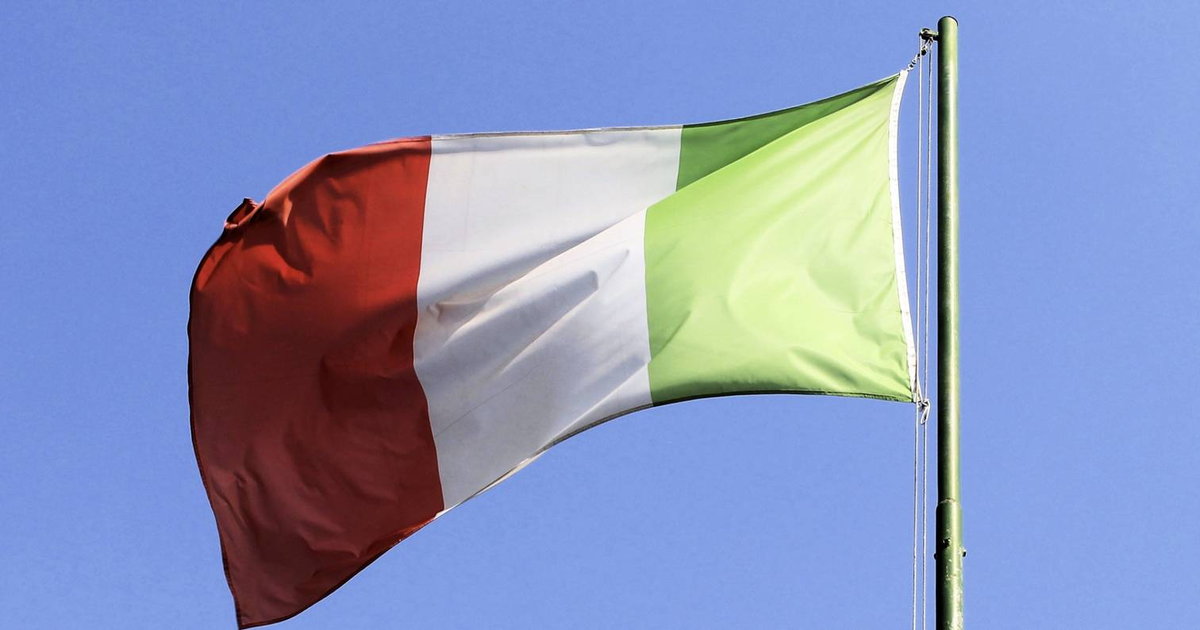
Eleonora also explains how the day is celebrated today: the President of the Republic attends a ceremony at the Altare della Patria in Rome, the Palazzo del Quirinale (once the home of Italy’s kings and now the President’s residence) opens its halls and gardens to the public, and the air force’s Frecce Tricolori perform aerobatics, drawing the Italian flag in the sky with colored smoke. And here’s the fun fact from her quiz: the tricolore, Italy’s green, white, and red flag, was created in Reggio Emilia in 1797, long before Italy was even unified.
Celebrate Republic Day with Eleonora
Watch the video lesson Republic Day to learn the story behind June 2, the Frecce Tricolori, and the Italian words you’ll hear on Italy’s national holiday.
Watch Eleonora’s LessonWhen the anthem plays, Italians usually stand up, stay quiet, and many place their right hand over their heart. Visitors are not expected to sing, but standing respectfully is polite.
7. The Famous “Sì!” at the End
If you’ve heard Italians sing the anthem, you probably remember the loud “Sì!” (“Yes!”) shouted at the very end. That “Sì!” isn’t actually in Mameli’s original poem. It was added by Michele Novaro when he set the words to music.
In 2025, a presidential decree set out how the anthem should be performed at official events. Following it, Italy’s armed forces were asked not to sing the final “Sì!”, and the text published by the Presidency of the Republic leaves it out. According to the Presidency, the aim is simply to follow Mameli’s original text. At football matches and among the public, however, you’ll still hear many Italians shout it proudly.
8. Quiz: Test Your Italian Anthem Knowledge
Check what you’ve learned about “Fratelli d’Italia.” Tap an answer to see if you’re right.
Question 1. What does Fratelli d’Italia mean?
Question 2. In l’Italia s’è desta, what has Italy done?
Question 3. How do you pronounce the “ch” in chiamò?
Question 4. What is siam short for?
9. Italian National Anthem FAQ
What is the Italian national anthem called?
Its official title is Il Canto degli Italiani (“The Song of the Italians”). It is also known as l’Inno di Mameli or Fratelli d’Italia.
Who wrote the Italian national anthem?
Goffredo Mameli wrote the words in 1847, and Michele Novaro composed the music the same year.
When did “Fratelli d’Italia” become the official anthem?
It was adopted as a provisional anthem on October 12, 1946, and officially recognized by Law No. 181 of December 4, 2017.
What does “Fratelli d’Italia” mean?
It means “Brothers of Italy.” The opening line calls on all Italians to unite as one family.
Who is Scipio in the Italian anthem?
Scipio Africanus was a Roman general who defeated Hannibal of Carthage in 202 BC. By wearing “Scipio’s helmet,” Italy is shown as ready to fight and win, just like ancient Rome.
10. Final Thoughts
The Italian national anthem is more than a song for football matches. It tells the story of a young country that wanted to be united and free. Now that you know what s’è desta, coorte, and l’Italia chiamò mean, you can follow along, and maybe even sing, the next time you hear “Fratelli d’Italia.”
Want to keep going? Discover Italy’s main holidays in Top Five Important Dates During the Italian Calendar Year, learn how songs can boost your Italian in Learning Italian Through Music, and explore Top 10 Popular Songs in Italy or more lessons on ItalianPod101.
Learn Italian through Italy’s national holiday
Watch Eleonora’s video lesson Republic Day and hear the story and vocabulary of June 2.
Watch the Republic Day LessonDo you know the words to your country’s national anthem? Tell us in the comments!