
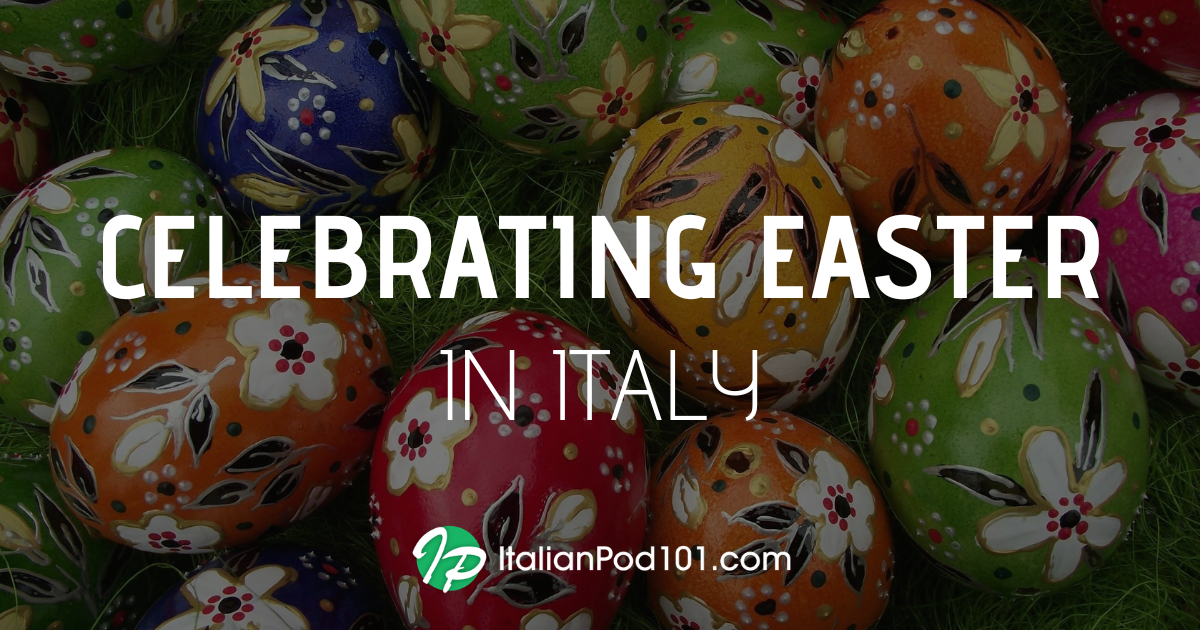
Springtime in the Mediterranean brings a palpable sense of renewal, making it one of the most exciting times of the year to explore the culture. For those interested in European traditions or learning a new language, understanding the intricacies of easter in Italy provides a wonderful entry point into the country’s rich heritage. It is a holiday that perfectly captures the national spirit: a deep reverence for history combined with an unbridled passion for food, family, and community.
But before diving into the festivities, it is helpful to grasp the fundamental vocabulary. The Pasqua meaning is deeply tied to its historical origins; in English, it is the word for the Easter holiday, derived from the Latin and Greek words for Passover. Experiencing an authentic Italian Easter goes far beyond attending a religious service; it is a multi-day event that engages all the senses, from the tolling of ancient church bells to the aroma of freshly baked goods wafting through cobblestone streets.
Table of Contents- Essential Vocabulary: Sharing the Joy
- Deeply Rooted Customs and Historic Processions
- The Centerpiece of the Celebration: Culinary Masterpieces
- The Monday After: A Day for the Outdoors
- Conclusion
1. Essential Vocabulary: Sharing the Joy

If you are a beginner language learner, the most practical thing you can learn is the holiday greeting. You might find yourself wondering, “How do you say happy Easter in Italian?” The most widely used phrase for happy Easter in Italian is “buona Pasqua.” “Buona Pasqua” means “Good Easter” and is used the same as the English greeting.
When travelers ask locals how to say happy Easter ” in Italian, this is the phrase they are taught first. For those studying the happy Easter in Italian language variations, you will find it remarkably consistent across different regions, from the snowy Alps in the north to the sun-drenched shores of Sicily in the south.
When learning the term for Easter in Italian, a common grammatical mistake made by beginners is saying “buon pasqua.” Because the noun is feminine, it requires the feminine adjective “buona,” making “buon” incorrect, though native speakers will certainly still appreciate the effort!
You might notice the root word pasqu appearing in several related terms throughout the spring season. Ultimately, offering a happy Easter Italian-style greeting is about expressing genuine warmth and joy to friends, family, and even strangers you pass on the street.
2. Deeply Rooted Customs and Historic Processions
Italian Easter traditions are incredibly diverse, with nearly every town and village boasting its own unique customs, processions, and historical reenactments. These events often begin during Holy Week, the days leading up to the main Sunday celebration.
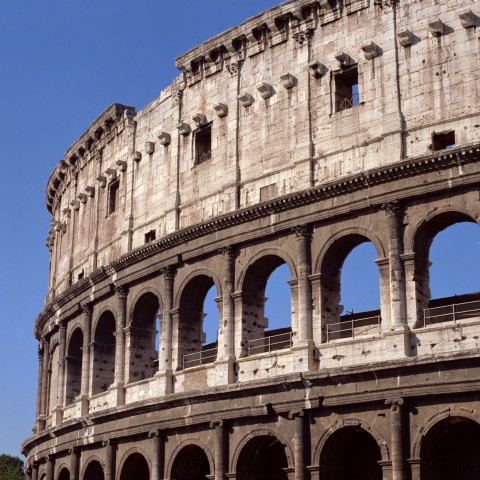
Perhaps the most famous destination during this time is the capital city. Spending Easter in Rome, Italy, is an awe-inspiring experience. On Good Friday, the Pope leads the Via Crucis (Way of the Cross) procession at the Colosseum, a solemn and dramatic event illuminated by thousands of candles. As travelers plan for the future, looking ahead to dates like Pasqua 2026 (which falls on April 5th), anticipation for these grand public gatherings is always high, drawing thousands of pilgrims from across the globe.
But you do not need to be in a major city to witness the profound easter traditions Italy has to offer. In smaller towns across the countryside, you might see processions of locals dressed in ancient medieval costumes. They carry heavy wooden statues of the Madonna and Christ through the narrow streets, often to the accompaniment of somber marching bands. These rituals have been passed down for centuries and remain a vital part of the cultural fabric.
3. The Centerpiece of the Celebration: Culinary Masterpieces
It is impossible to talk about this country’s culture without devoting significant time to its cuisine. Traditional Italian food for easter is a serious affair, carefully prepared and shared over several hours. A traditional italian easter meal is not merely a dinner; it is a sprawling feast that often begins in the early afternoon and stretches well into the evening. While the specific dishes vary greatly from region to region, an italian easter meal universally marks the end of the Lenten fasting period, with tables laden with rich, decadent ingredients.
One of the most iconic staples of italian easter food is the Torta Pasqualina. This dish, which translates as easter pie in Italian, originated in the northwestern region of Liguria. It is a spectacular savory pie made with dozens of layers of thin pastry crust, filled with a mixture of seasonal spring greens like Swiss chard or spinach, creamy ricotta cheese, and whole eggs that bake directly inside the filling. It is a masterpiece of home cooking and a showstopper on the holiday table.
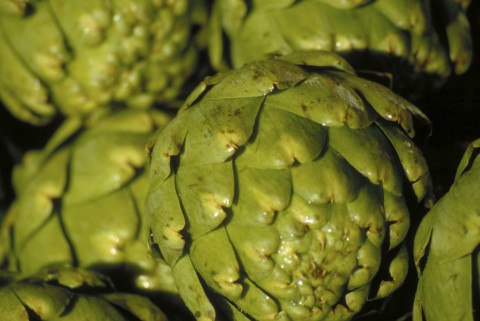
Moving on to the main courses, a typical Italian Easter dinner almost always features lamb. The lamb, often roasted with rosemary, garlic, and potatoes, is a symbol of spring and innocence, deeply rooted in the holiday’s religious traditions. However, the feast does not stop there. You will also find an abundance of seasonal vegetables, particularly artichokes, which are in peak season during the spring, often fried whole or stuffed with herbs and breadcrumbs.
No feast is complete without dessert. The classic easter bread in Italian culinary tradition is the Colomba di Pasqua. This is a sweet, fluffy bread similar in texture to the Christmas panettone, but it is shaped like a dove to symbolize peace.
It is topped with pearl sugar and almonds, making it a beloved treat that is often given as a gift when visiting friends and family during the holiday season. Furthermore, giant hollow chocolate eggs wrapped in shiny, colorful foil are incredibly popular, especially among children, as they contain a hidden surprise toy.
4. The Monday After: A Day for the Outdoors
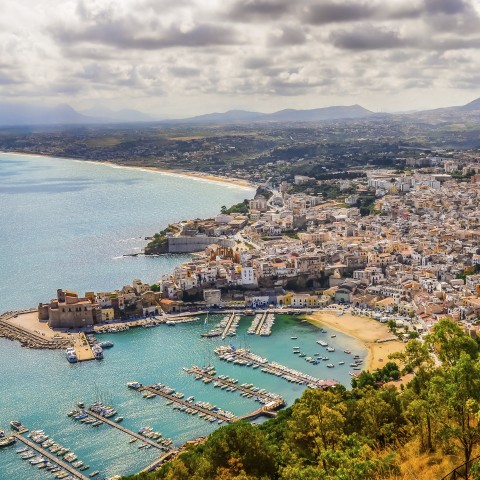
The celebrations do not end on Sunday. The Monday immediately after the holiday is known as Pasquetta, which means “Little Easter.” While Sunday is traditionally reserved for spending time with your immediate relatives, Pasquetta is dedicated to friends and the great outdoors.
A popular national proverb dictates that you should spend Christmas with your family and this spring holiday with whomever you want. This Monday perfectly embodies that spirit. It is a national public holiday when groups of friends pack up the leftovers from Sunday’s massive feast and head out into the countryside for a picnic.
Whether they are driving to the mountains, taking a train to the beach, or simply finding a spot in a local park, the focus is on enjoying the beautiful spring weather, drinking wine, and relaxing in good company. It is a joyful, relaxed conclusion to the intense preparations and solemn rituals of the preceding week.
5. Conclusion
Exploring the springtime festivities of this beautiful Mediterranean country reveals a culture that cherishes its history and celebrates life with unparalleled enthusiasm. From the solemn candlelit processions through ancient Roman ruins to the joyous outdoor picnics with friends in the blooming countryside, every aspect of the holiday is designed to foster community, reflection, and renewal.
The elaborate feasts and regional culinary specialties offer a delicious way to understand local history, while the simple, warm greetings exchanged on the street highlight a welcoming and generous spirit. Immersing yourself in these customs provides a deeper, more meaningful connection to the people and their enduring way of life, ensuring memories that will last far beyond the spring season.